Product Development
What Should Be Considered Before Sending a Product Design to a Factory?
Sending a design to a factory is not the beginning of manufacturing. Explore the critical checklist of materials, tolerances, target costs, packaging, and quality standards required upfront.
Sending a design to a factory is not the beginning of manufacturing.
Ideally, it is the point where a large number of manufacturing decisions have already been considered.
A concept may look resolved from a design perspective and still be incomplete from a production perspective.
Before a product goes to a factory, the team should understand the product’s materials, construction, tolerances, target cost, expected volume, packaging, assembly, quality requirements, and the capabilities of the factory expected to make it.
The more of that work is done upfront, the fewer expensive surprises appear later.
What information should be resolved before manufacturing begins?
At minimum, a factory needs enough information to understand: - what the product is - how it should function - what materials are intended - how it should be constructed - what dimensions and tolerances matter - what finish is required - what quality level is expected - what quantity is being produced - how the product will be packed - and what target cost the product needs to achieve
If these things are unclear, the factory will be forced to fill in the gaps.
Sometimes they will make good assumptions.
Sometimes they will not.
A visual concept is not a manufacturing brief
One of the most common mistakes in product development is assuming that a render or concept drawing contains enough information for a supplier to proceed.
It usually does not.
A factory may understand the aesthetic intent but still have no clear answer to questions like: - How thick should this component be? - What happens at this joint? - Which surface needs to be finished? - What tolerance is acceptable here? - Is this part solid, hollow, laminated, or moulded? - Does the hardware need to be concealed? - How much weight does it need to support? - Does it ship assembled or flat-packed? - What happens if the material expands or contracts?
Those are not small details.
They determine whether the product can actually be made.
Understand the factory before finalizing the design
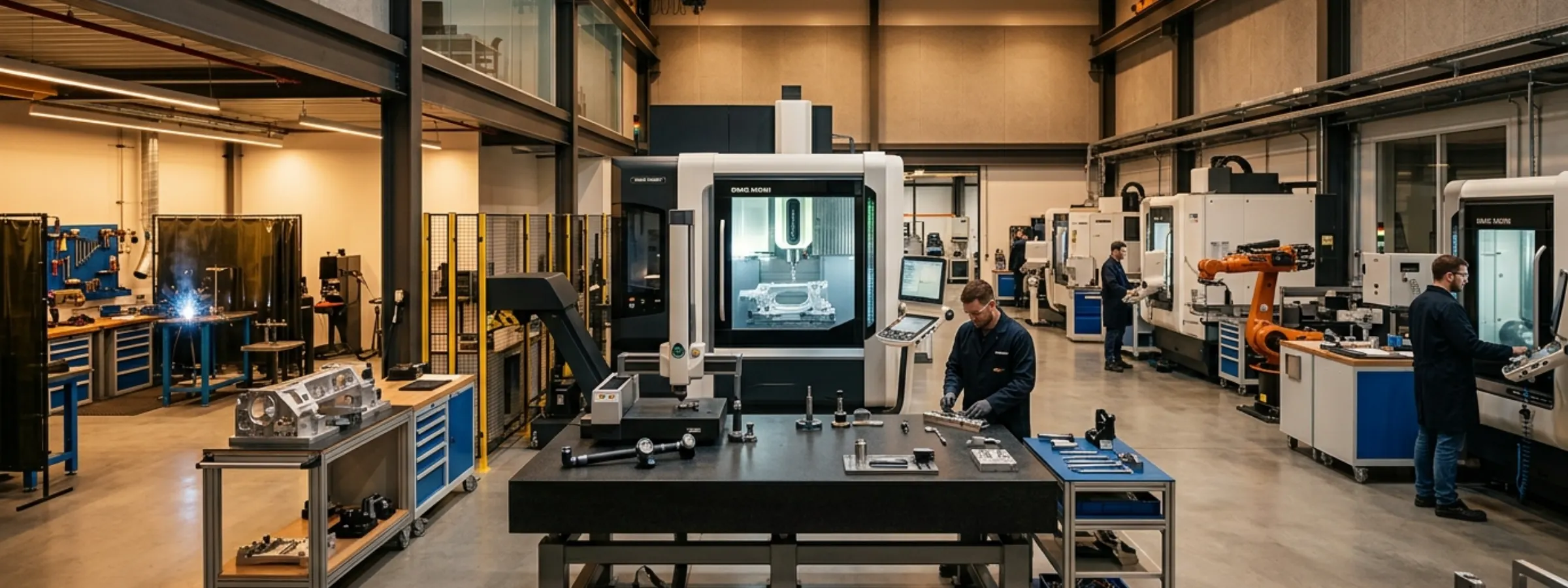
A product should not be developed in isolation from the factory that will manufacture it.
Different factories have different strengths.
One may have excellent CNC capability.
Another may rely heavily on hand finishing.
One may have existing moulds that can be reused.
Another may require new tooling.
One may produce a particular material efficiently because it already buys it in volume.
Another may need to source it specially.
If you understand the factory’s capabilities early, the product can be designed around processes the supplier already performs reliably.
That can improve cost, quality, and speed to market.
Confirm materials and construction
Material decisions affect almost every part of the product.
They influence: - cost - weight - durability - finish - tolerances - packaging - shipping - assembly - manufacturing process - regulatory requirements
A material name alone is often not enough.
For example, “oak” could mean solid oak, oak veneer, engineered board with oak veneer, laminated oak, or a stained substitute.
Those choices can completely change the economics and construction of the product.
The material specification should be specific enough that the factory knows what is expected.
01 / Tolerances & Fit
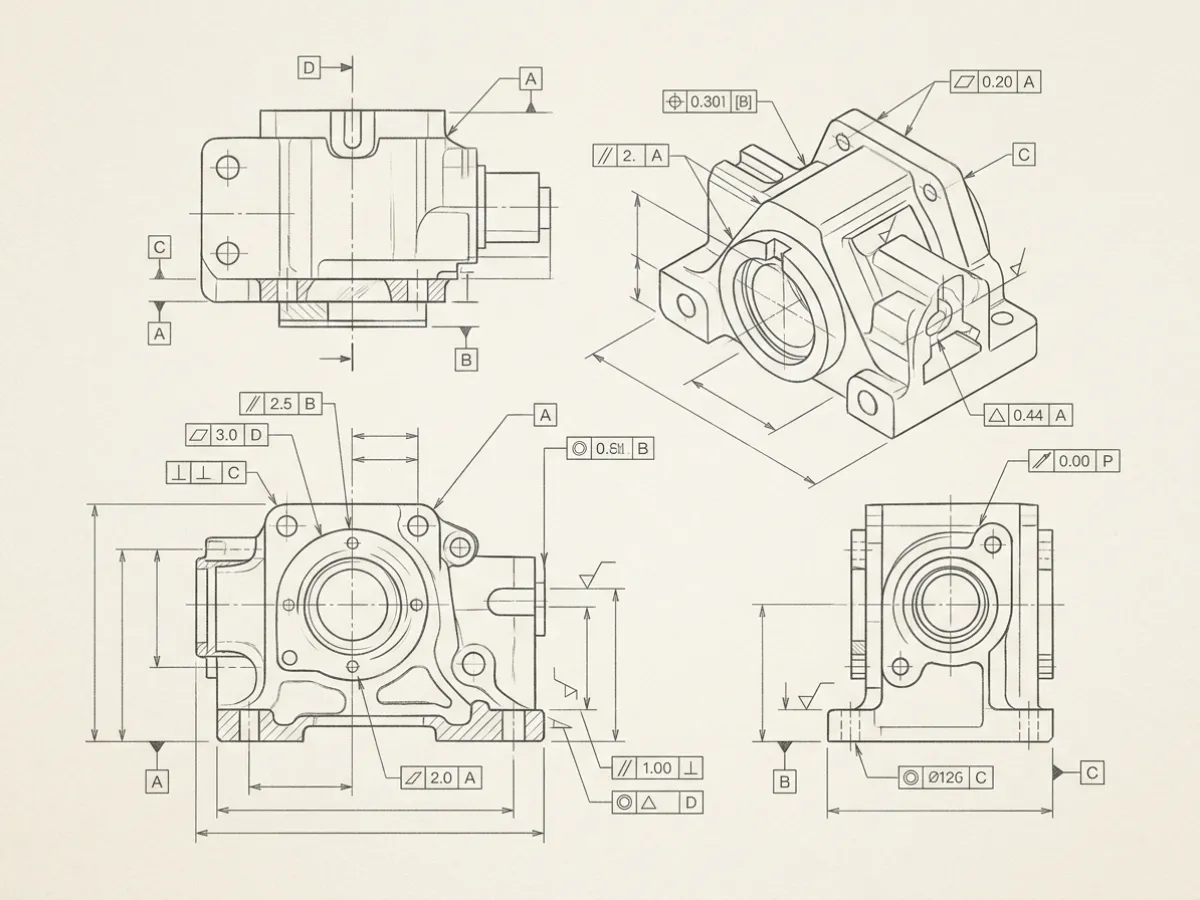
Resolve critical dimensions and tolerances
Not every dimension needs the same level of precision.
Some dimensions are aesthetic.
Others are structural.
Some determine whether two parts fit together.
Some determine whether the product fits inside packaging.
Some determine whether it complies with a standard.
The important thing is to identify which dimensions are critical.
Over-specifying tolerances can increase manufacturing cost unnecessarily.
Under-specifying them can create quality problems.
Good manufacturing documentation distinguishes between the two.
Understand target cost before production
A factory can manufacture many things.
The more important question is whether it can manufacture the product at the cost the business requires.
Target cost should influence design decisions early.
A product with too many parts, operations, finishes, suppliers, or labour-intensive details may be technically manufacturable and commercially impossible.
Before sending the design to a factory, the team should understand: - expected retail price - required margin - target factory cost - packaging allowance - freight assumptions - expected production volume
Otherwise, the team may spend weeks engineering a product that never had a viable cost structure.
Think about production volume
Manufacturing decisions change with volume.
A process that makes sense for 200 units may be inefficient at 20,000 units.
A new tool may be impossible to justify for a small test but highly economical at scale.
Manual operations may work for an initial run and become expensive as volume grows.
Factories need realistic volume expectations because those numbers influence: - process selection - tooling - material purchasing - pricing - labour - capacity planning - MOQ
Volume is not only a procurement question.
It is part of the design brief.
Consider tooling before requesting new tooling
Before creating a new mould, die, jig, or fixture, ask what the factory already has.
Existing tooling can sometimes provide most of what the product needs.
Using it may reduce: - upfront cost - development time - sampling - technical risk - production setup
New tooling should create measurable value.
If it does not materially improve function, cost, quality, differentiation, or scalability, it may not be worth the investment.
Packaging should be considered before the product is finished
Packaging is often introduced too late.
That can create expensive problems.
A product may be too large for an efficient parcel size.
A fragile element may require more protection than expected.
A component may need to become removable.
An assembled product may need to become flat-packed.
Packaging can affect: - product dimensions - construction - hardware - assembly - material selection - breakage - freight cost - fulfilment method
For e-commerce products, packaging can determine whether the product is commercially viable at all.
It should be considered before the design is locked.
02 / Assembly Sequence
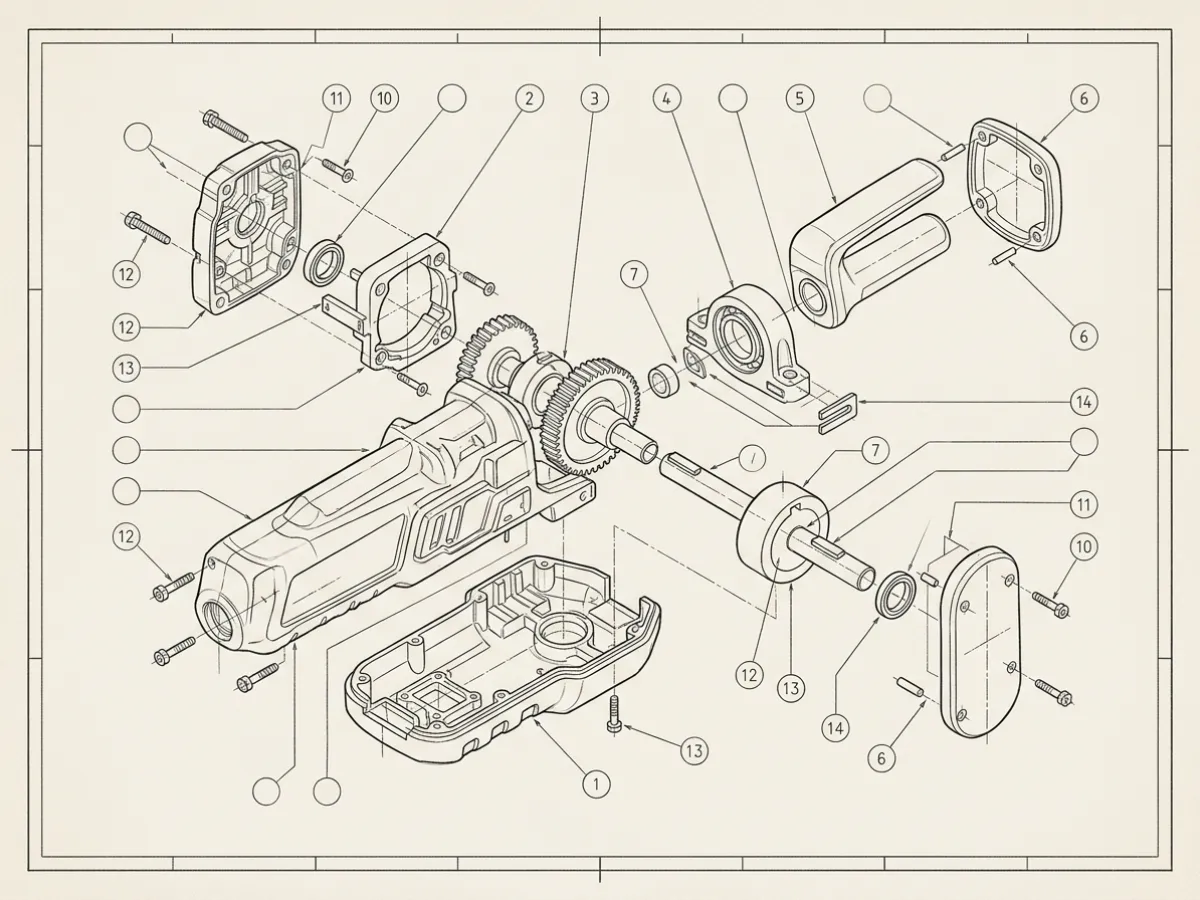
Think through assembly
How a product is assembled affects both the factory and the customer.
Ask: - Is the product assembled at the factory? - Does the customer assemble it? - How many steps are involved? - Does it require special tools? - Can parts be assembled incorrectly? - Are fasteners visible? - Can the factory access all fastening points? - Can components be replaced if damaged?
Assembly decisions affect labour, packaging, returns, customer experience, and quality.
A product that is easy to manufacture but frustrating to assemble is not fully resolved.
Define the quality standard
“High quality” is not a specification.
Factories need clear expectations.
Quality standards can include: - acceptable surface variation - finish consistency - colour tolerance - gap tolerances - alignment - hardware performance - load requirements - scratch resistance - packaging condition - acceptable defect levels
If quality expectations are subjective, disagreements are likely.
Where possible, use measurable criteria and approved physical samples.
Identify testing requirements
Some products require formal regulatory testing.
Others need internal validation.
Testing may include: - structural load testing - stability testing - drop testing - abrasion testing - colourfastness - moisture resistance - packaging transit testing - chemical compliance - flammability - electrical certification
Testing should not be discovered immediately before launch.
If a product needs to pass a standard, that requirement should influence the design.
Make the documentation clear
A manufacturing package may include: - dimensioned drawings - CAD files - exploded views - material specifications - finish references - hardware details - BOM - assembly instructions - packaging requirements - critical tolerances - testing standards - reference images
The goal is not to create documentation for its own sake.
The goal is to reduce ambiguity.
Every unanswered question becomes a decision someone else has to make.
Do not rely on the factory to fix an unresolved design
Factories are often excellent problem solvers.
But that does not mean design teams should hand over unresolved concepts and expect the supplier to complete the product.
The factory’s incentives are not always identical to the brand’s.
A supplier may reasonably choose: - the easiest construction - the lowest-cost component - an existing standard - the process they prefer - the material they can source most easily
Those decisions may be perfectly logical from a manufacturing perspective and wrong for the customer or brand.
The stronger the brief, the less room there is for unintended interpretation.
Samples are part of the development process
Sending a design to a factory does not mean the design is finished.
The first sample is a learning tool.
It reveals things drawings cannot always predict: - proportions - comfort - stability - finish - material behaviour - assembly - visual weight - manufacturing quality
The sample should be reviewed against clear criteria.
Changes should be documented.
The next revision should answer specific problems.
Sampling works best as a controlled validation process rather than an open-ended redesign cycle.
What should be checked before sending a product design to a factory?
A useful pre-production check is:
Product
Is the form, function, and customer requirement clear?
Manufacturing
Can the nominated factory make it using its existing processes and capabilities?
Materials
Are materials, finishes, hardware, and components clearly specified?
Engineering
Are critical dimensions, tolerances, joints, and structural requirements resolved?
Cost
Does the product have a realistic target cost and margin structure?
Volume
Are expected production quantities and MOQ assumptions understood?
Tooling
Has existing tooling been reviewed before new tooling is commissioned?
Packaging
Can the product be packed and shipped economically and safely?
Assembly
Is the assembly method appropriate for the factory and customer?
Quality
Are measurable quality standards defined?
Testing
Are regulatory and performance requirements known?
Documentation
Does the factory have enough information to build the intended product without guessing?
If several of these answers are still unclear, the product may not be ready for manufacturing.
So, when is a product ready to send to a factory?
Not when the render looks finished.
Not when the design presentation has been approved.
And not simply when the CAD exists.
A product is ready when the team understands enough of the manufacturing and commercial system to have a productive conversation with the factory.
There will always be iteration.
That is normal.
But the goal is for factory collaboration to refine a viable product, not discover the fundamental requirements for the first time.
The earlier manufacturing reality enters the design process, the fewer expensive decisions have to be undone later.
Frequently asked questions
What information must be resolved before sending a design to a factory?
A complete manufacturing brief requires resolved dimensions, critical tolerances, material and finish specifications, construction methods, hardware details, target costs, estimated order volumes, packaging requirements, quality benchmarks, and regulatory testing standards.
Why is a 3D render insufficient as a manufacturing brief?
A render shows aesthetic intent but omits critical production data such as wall thicknesses, joint construction, internal hardware, acceptable tolerances, material expansion allowances, and shipping configurations, forcing suppliers to guess.
Why should packaging be considered before finalizing product design?
Packaging determines parcel dimensions, freight costs, and transit protection. Designing for efficient flat-pack shipping or modular disassembly early prevents costly breakages and ensures compliance with courier size limits.
How should quality standards be defined for a manufacturer?
Quality should be defined with objective, measurable criteria, including surface finish tolerances, color variance limits, allowable gap dimensions, load ratings, and approved physical golden samples, rather than subjective descriptions.
What is the purpose of the initial physical sample?
The first production sample is a validation tool to test proportions, ergonomic comfort, joint stability, material behaviour, and assembly ease against design specifications before committing to full production.
Why must target costs and production volume be established early?
Production processes, tooling investments, and material sourcing choices change drastically based on order volume. Establishing target unit costs early prevents teams from engineering designs that are commercially unviable.
Tell us what you are working on.
Send an idea, a drawing, a sample or a whole assortment. We will identify what is missing and the right next step.
Start a conversation