CGI & Commercial Strategy** **August 19, 2026 · 8 min read · Vux & Hoy Strategy & Engineering**
*A rigorous commercial cost comparison across sample freight, studio set builds, SKU colorways, and lifecycle asset reuse.*
CGI & Commercial Strategy
August 19, 2026 · 8 min read · Vux & Hoy Strategy & Engineering
A rigorous commercial cost comparison across sample freight, studio set builds, SKU colorways, and lifecycle asset reuse.
01
Direct Commercial Answer
For a single, standalone product shot on a plain white backdrop, standard photography and 3D computer-generated imagery (CGI) often have comparable entry costs.
However, the moment a product line involves multiple finishes, modular configurations, or lifestyle room environments, 3D product rendering is substantially less expensive: typically delivering 30% to 60% direct budget savings.
More importantly, CGI eliminates 100% of sample shipping freight, set construction waste, and future reshoot expenses.
02
The Hidden Financial Friction of Traditional Studio Photography
When brands evaluate traditional photography costs, they often look only at the photographer's day rate. In practice, the day rate represents less than 35% of the total expense.
1. Prototype & Sample Shipping Logistics
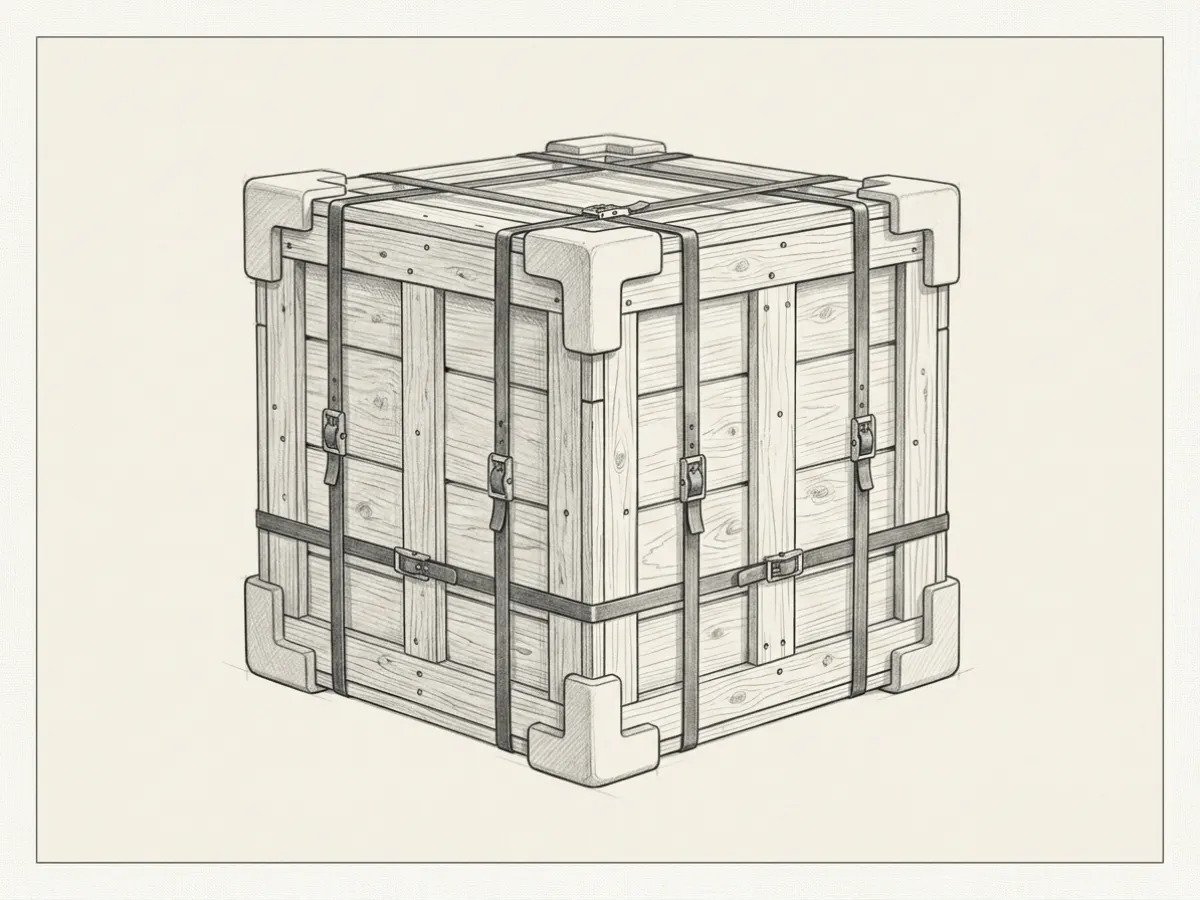
Building physical prototypes by hand or air-freighting golden samples from overseas factories frequently costs between $2,500 and $8,000 per collection in expedited courier fees, customs duties, and transit damage insurance.
If a sample arrives with scratched lacquer or dented corners, the shoot is delayed or ruined.
2. Physical Set Construction & Prop Styling
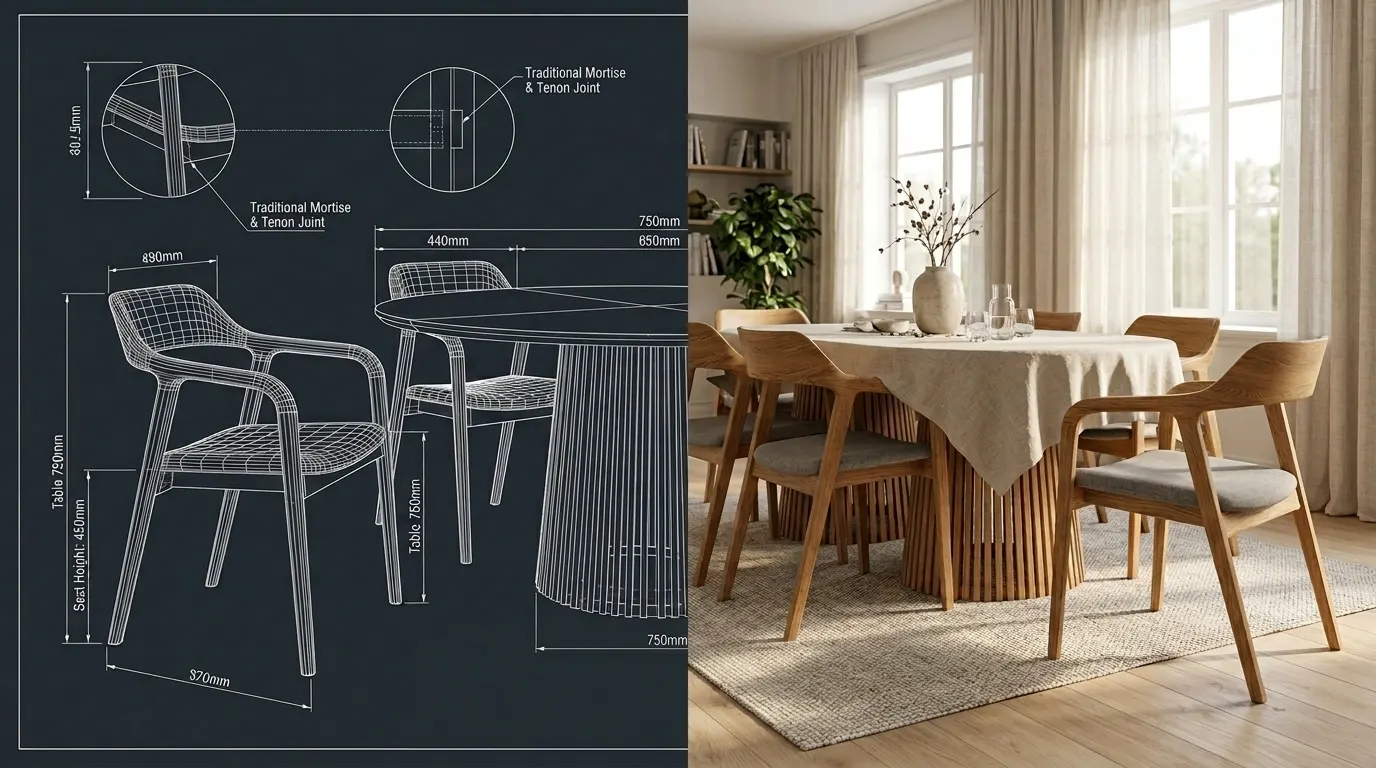
To photograph a credenza or modular sofa in an aspirational architectural environment, a studio must build temporary walls, lay flooring, hire prop stylists, source designer accessories, and lease high-end locations.
A single physical room set build routinely adds $4,000 to $12,000 to production overhead.
3. The Colorway Multiplier
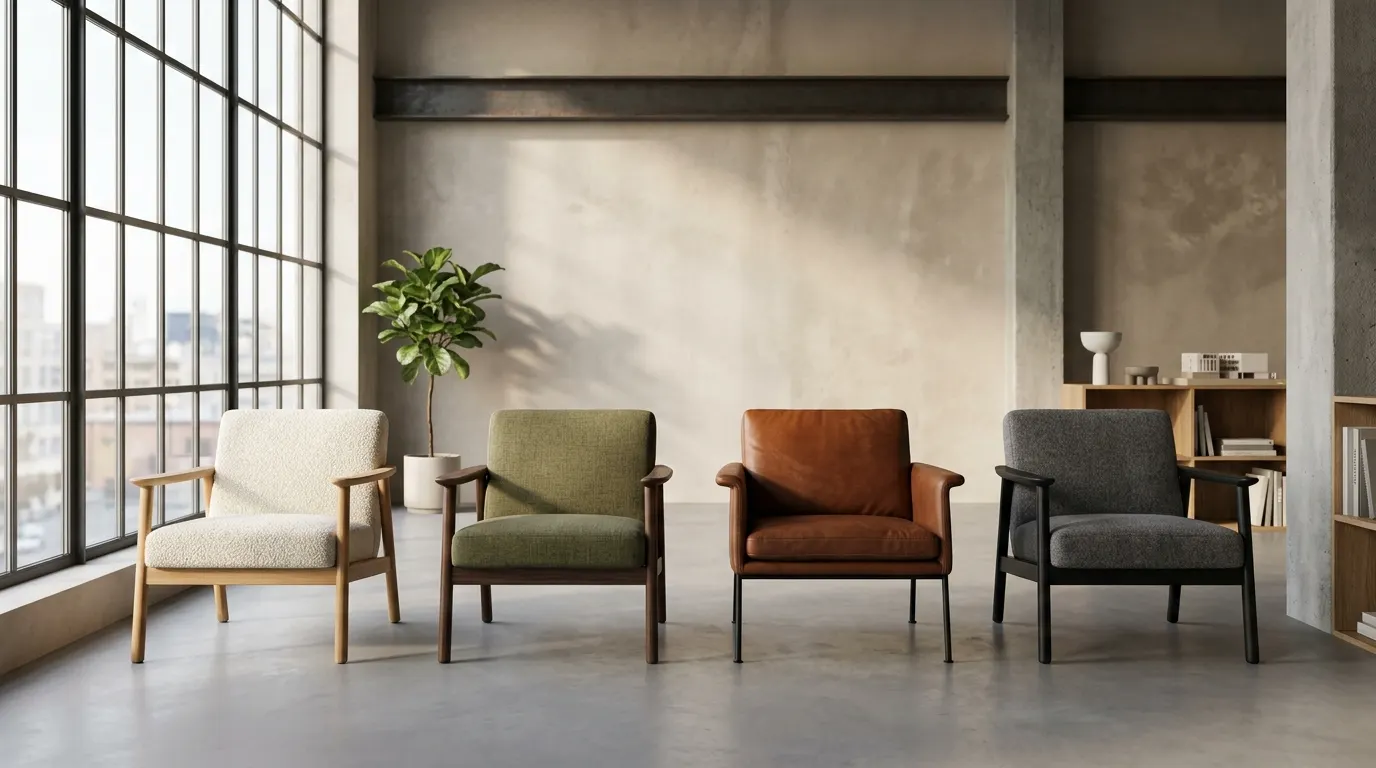
If a dining chair is offered in 6 wood stains and 12 upholstery fabrics, photographing all 72 variations physically requires manufacturing, packing, and unboxing 72 physical chairs.
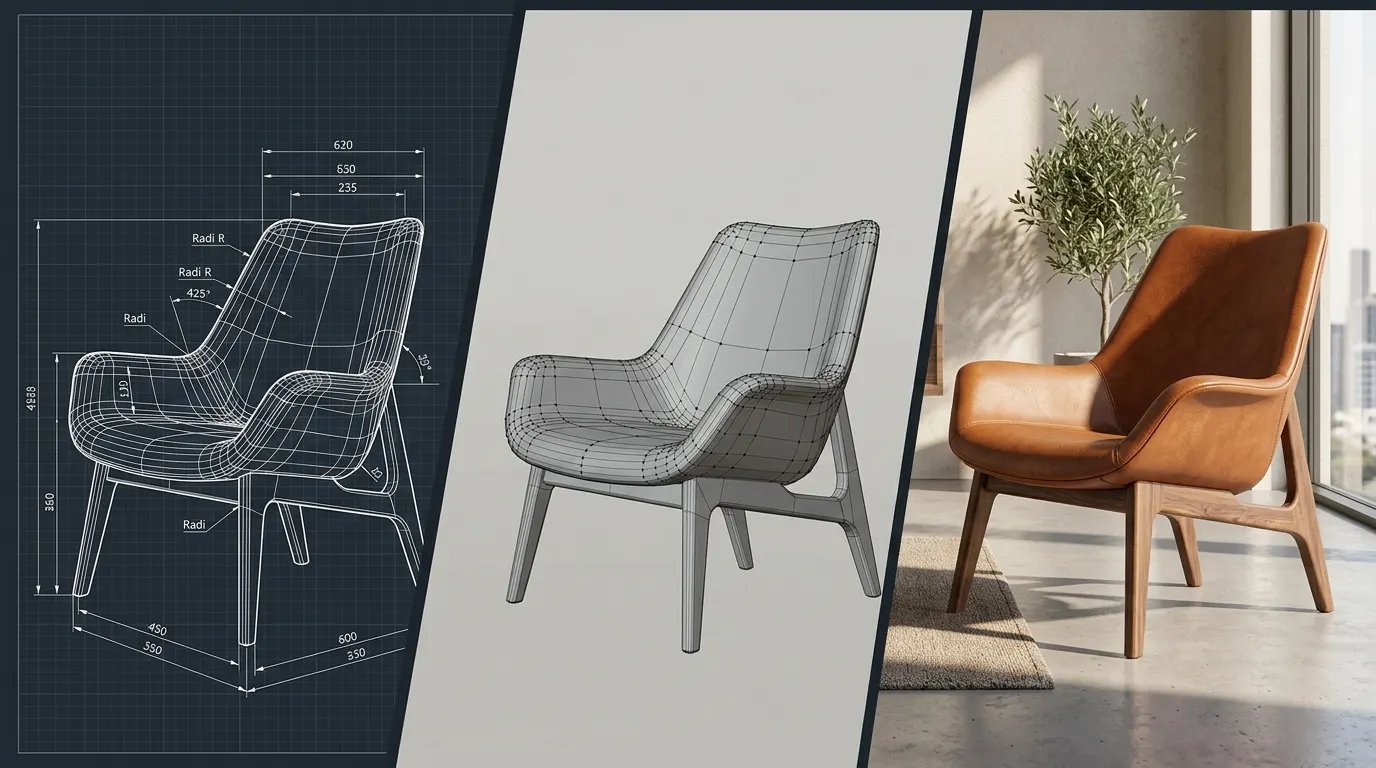
In a 3D digital pipeline, the core geometry is modeled exactly once, and the 72 CMF (Color, Material, Finish) shaders are rendered computationally across identical camera angles in minutes.
03
Cost Comparison Table: 12-SKU Furniture Collection Launch
| Production Expense Category | Traditional Physical Photoshoot | Vux & Hoy 3D CGI Pipeline | Financial Impact |
|---|---|---|---|
| Physical Sample Fabrication & Air Freight | $6,500 – $14,000 | $0 (Built from CAD / 2D Specs) | 100% Elimination |
| Studio Rental, Lighting & Grip Crews | $4,500 – $9,000 | $0 (Virtual Studio Rigging) | 100% Elimination |
| Set Construction, Styling & Props | $5,000 – $12,000 | Included in Digital Scene Curation | Included |
| Photographer & Retouching Fees | $3,500 – $7,000 | Included in 4K Render Package | Predictable Flat Fee |
| Colorway / Material Variant Extensions | $150 – $350 per physical piece | $25 – $45 per shader swap | Up to 85% Savings |
| Reshoot & Design Revision Costs | Full Reshoot Required ($3,000+) | Software Re-render ($0 – $150) | Near-Zero Friction |
| Total Typical Investment | $22,500 – $45,000+ | $7,500 – $14,000 | 55% – 65% Net Savings |
04
When Does Physical Photography Still Make Sense?
As an honest industrial consultancy, we advise clients that physical photography is preferable when: - You have a single, low-cost artisan item already sitting in your office with no planned material variants. - The product has unpredictable organic distress - for example, vintage hand-distressed leather where every single piece is unique and imperfection is the primary selling point. - The marketing campaign requires candid live-action human interaction with complex physical choreography that cannot justify high-end digital character modeling.
05
The Compounding Value of Reusable Digital Assets
The greatest commercial advantage of 3D rendering is not the first shoot: it is the second, third, and fourth year of the product lifecycle.
Once your CAD master is calibrated into a high-fidelity digital twin:
Seasonal Refreshes: Updating summer morning sunlight to a moody winter evening scene takes hours, not days.
Line Extensions: Introducing a new walnut veneer next season requires zero sample builds.
Spatial Commerce & AR: The same 3D master is exported into lightweight GLB and USDZ files for instant mobile augmented reality viewing on Shopify, Amazon, or custom web configurators.
06
Summary Checklist for Brand Executives
Evaluate Total Line Complexity: If you have more than 3 colorways or need room scenes, 3D CGI is decisively more cost-effective.
Demand Factory CAD Standards: Ensure your visualization studio understands physical manufacturing constraints so your 3D models can double as factory engineering records.
07
Ready to Scale Your Product Imagery Without Sample Freight?
Get a fixed-scope proforma and timeline for your upcoming collection launch.
White-background e-commerce views, sunlit lifestyle room scenes, and interactive 3D digital twins.
[Calculate Your CGI Package →]
[Speak With a Designer]
Frequently asked questions
Is 3D product rendering cheaper than traditional photography?
Yes, for multi-variant or complex product collections. While a single standalone white-background shot has comparable entry costs in both mediums, 3D CGI typically delivers 30 percent to 60 percent net savings whenever a product line involves multiple colorways, finishes, modular arrangements, or lifestyle room settings.
What are the hidden costs of physical product photography?
Physical photography incurs heavy logistical overhead beyond the photographer's day rate. These include prototype fabrication, overseas air freight, customs duties, damaged sample transit, physical room set construction, prop styling, location leasing, and expensive reshoots whenever a design detail changes.
How does 3D CGI reduce the cost of colorway variations?
In a 3D digital pipeline, core product geometry is modeled once. Additional color, material, and finish variations are created digitally through shader swaps in minutes, saving up to 85 percent compared to manufacturing, shipping, unboxing, and staging physical samples for every SKU.
When is physical photography better than 3D rendering?
Physical photography remains preferable for single artisan items with no material variants, products with unpredictable organic distress like vintage hand-distressed leather where imperfection is the selling point, or campaigns requiring complex live-action human choreography that cannot justify digital character modeling.
How do reusable 3D assets create compounding lifecycle value?
Once a 3D master model is created, it can be repurposed across subsequent seasons for new lighting setups, finish line extensions, web configurators, and mobile augmented reality formats (GLB and USDZ) without rebuilding sets or ordering new physical samples.
How much can brands save on a full furniture collection launch using CGI?
On a typical 12-SKU collection launch, a 3D CGI pipeline delivers 55 percent to 65 percent net cost reduction by eliminating sample freight, physical set construction, and studio rental while drastically reducing per-variant extension costs.
See it in practice: Soul Zen launched three product variants online in seven days by eliminating sample air freight, physical set builds and studio reshoots entirely. Read the case study →
Continue with the next question: Can you create launch-ready product images before manufacturing begins? →