Work / Tabletop, Glassware & Home Living
Founder's work before Vux & Hoy
Reusing a Factory Glass Mould for Online Sale
An archive glass mould from the Krosno factory, a new matte-black finish and packaging built for parcel delivery, in 2012
The question it answers
When can existing tooling be reused instead of starting a product from scratch?

In 2012, the founder developed tabletop products for a young, digital-first European home and living retailer. Rather than commission new tooling, she reused a glass mould from the Krosno factory archive, gave it a matte-black finish and developed packaging so the glass could travel safely by parcel.
Before you look
What you are looking at
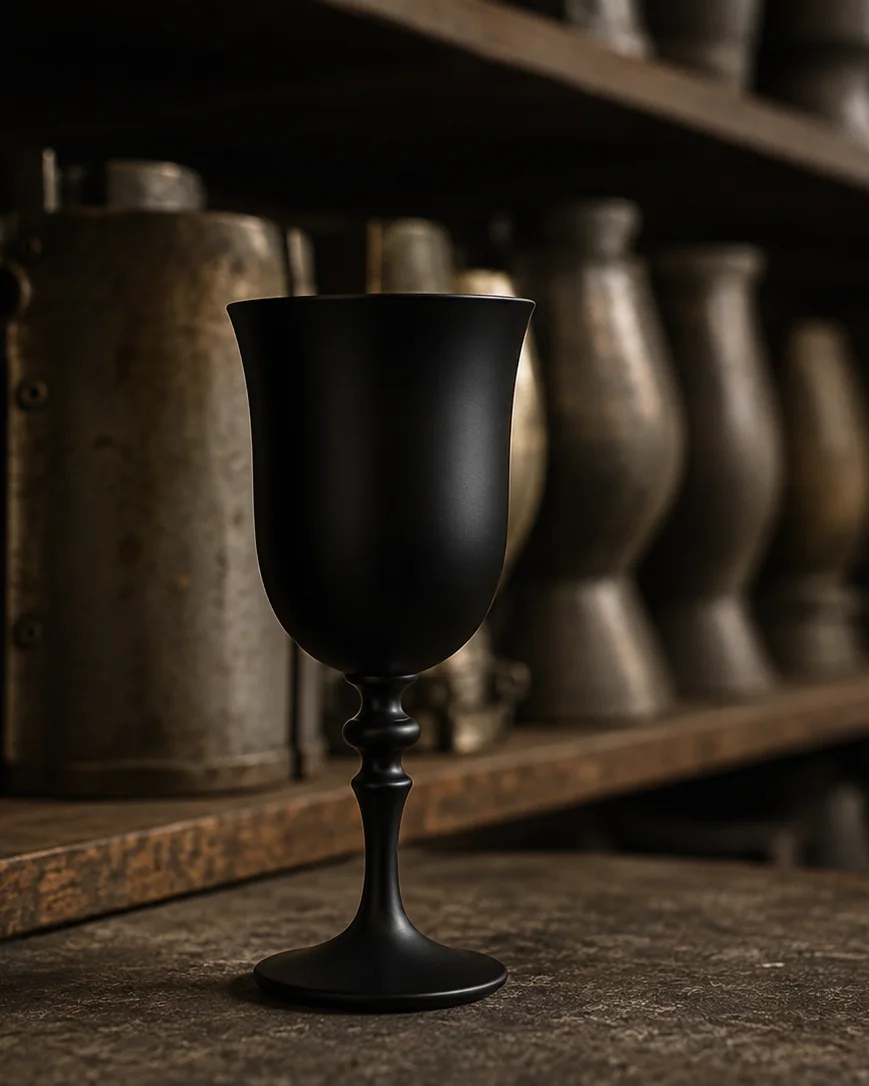
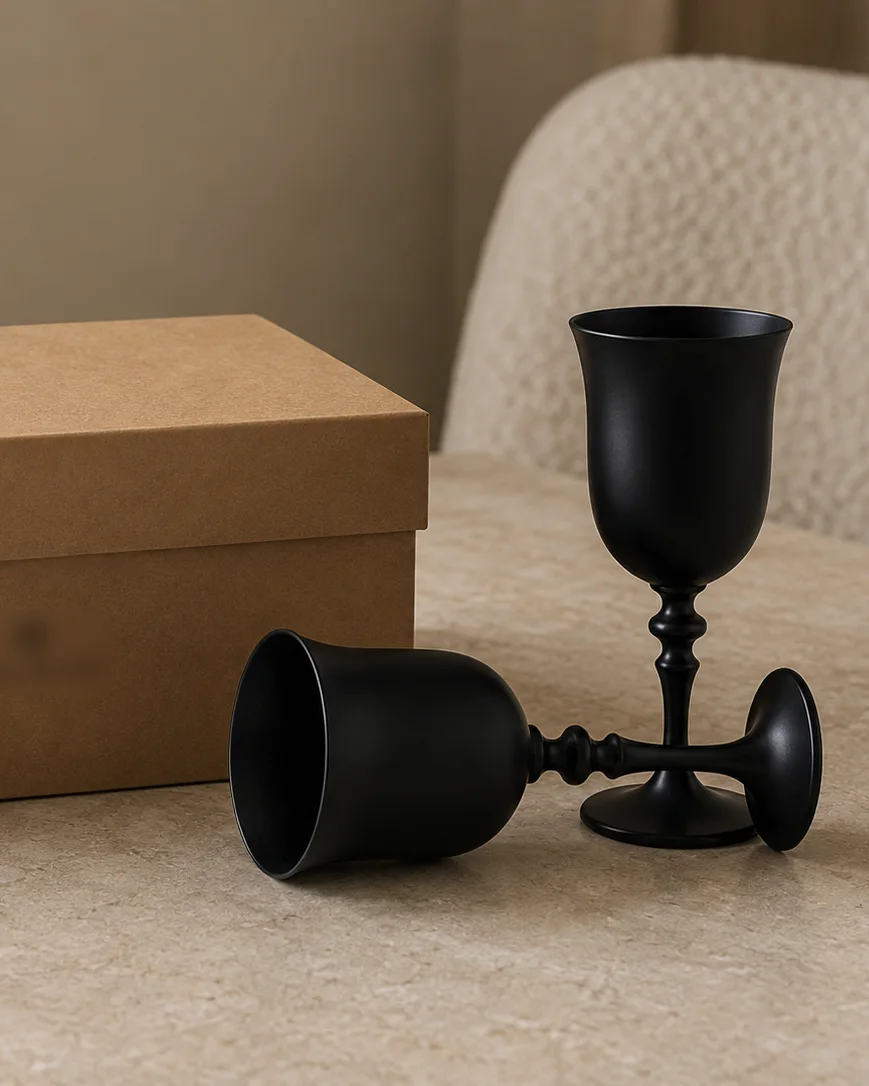
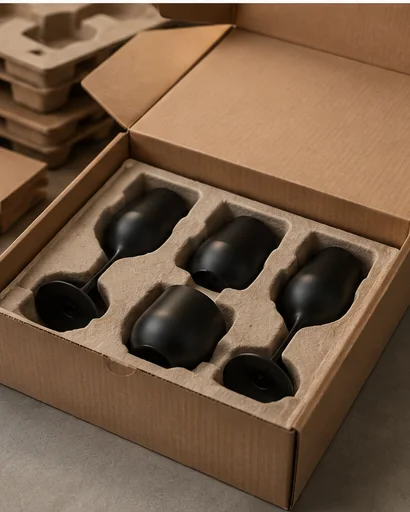
This is the founder's work from before Vux & Hoy, not a Krosno commission. Krosno was the manufacturer. The decisions and the launch outcome are stated first-hand by the founder. The glass images on this page are illustrations, not photographs of the 2012 product.
High minimum orders and fragile parcels
Tabletop came with high factory minimum order quantities, and fragile glass had to survive parcel delivery to customers' homes. The question was how to enter the category despite that order risk.
Finding the form in the factory archive
During a visit to the Krosno glass factory in Poland, the search went past the current catalogue and into the factory archive. Among the historical moulds was a glass form that was already well resolved, so it was kept rather than replaced with new tooling. A matte-black finish made it look at home in modern interiors. Packaging and drop testing were developed as part of the product, so the glass arrived intact.
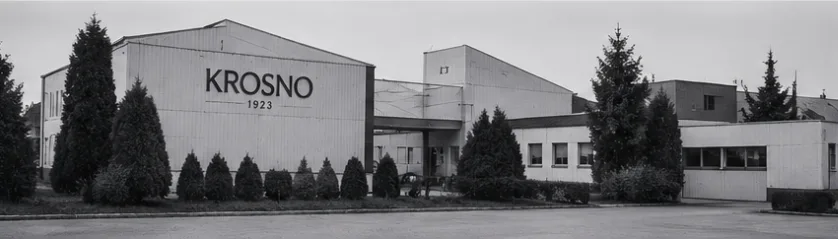
Keep the Form, Change the Rest
The reasoning behind each decision:
- Keep the mould: an existing archive mould, used as it was, meant no new tooling had to be made.
- Change the finish: matte black turned a traditional glass into something graphic, at home in contemporary tabletop.
- Design the delivery: parcel packaging and drop testing were treated as part of the product.
- Work with the factory directly to find a way into the category despite high minimum orders.
The archive, the parcel and the insert
What happened
- A successful product launch that validated the category.
- More than a decade later, one of those same glasses was still in use, and the product still looked current.
Your next step
Configure Concept Design
Concept Design gives you design directions to compare before anything is engineered, including directions that keep an existing product's form and change only what needs to change.